
Bicycle care and maintenance advice
A practical bicycle maintenance guide for smoother, safer rides
Use this guide to understand your bicycle's maintenance needs, recognize common mechanical issues, and keep essential components in good working condition. From checking tire pressure to inspecting brakes and caring for the drivetrain, a few simple habits can improve riding comfort, support dependable performance, and help you identify problems before they become costly repairs.
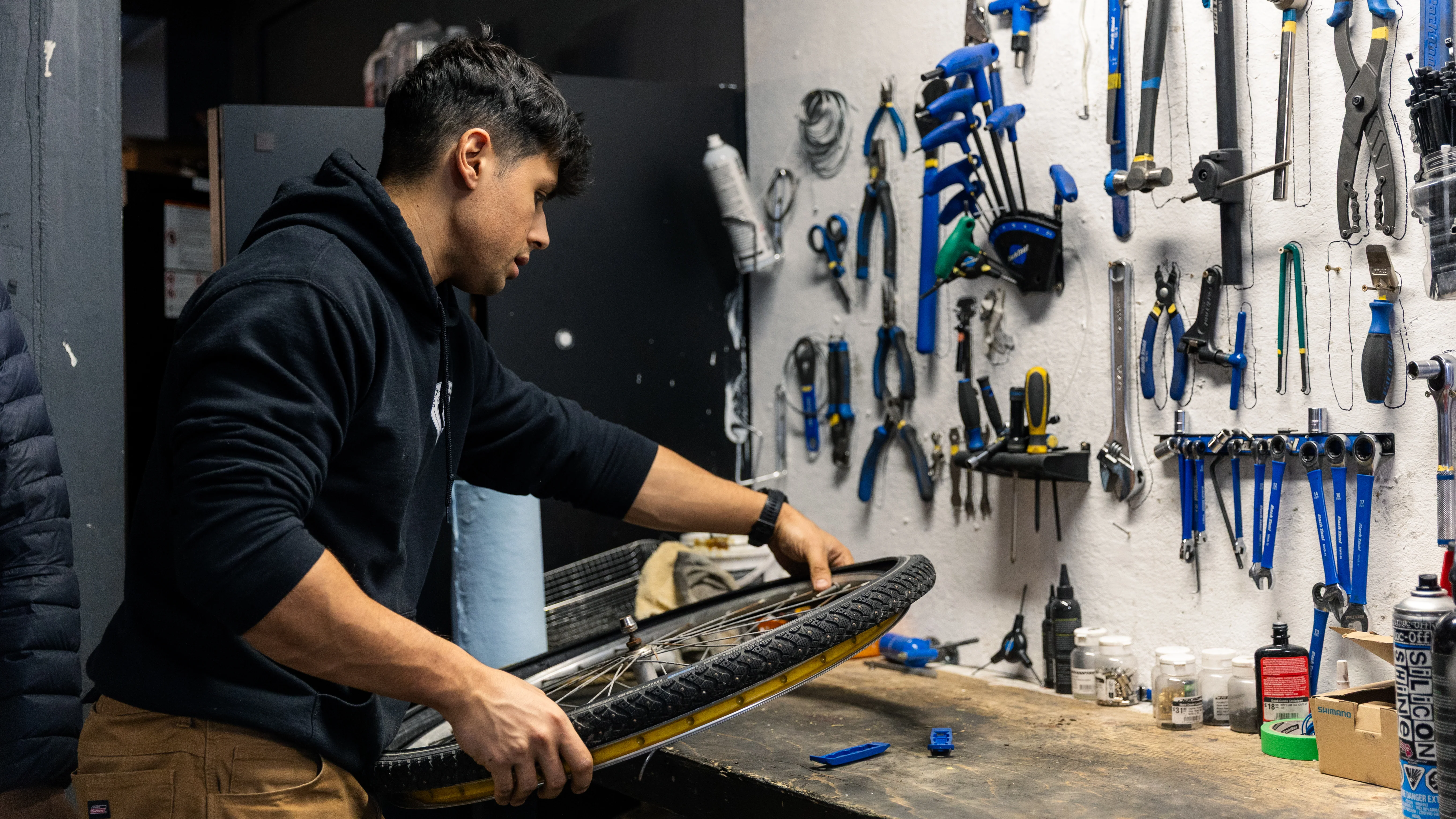
Five things to check to keep your bicycle in good condition
-
Inspect your brakes before every ride
Reliable brakes are essential for controlling your bicycle and responding safely to changing conditions. Check that both brake levers feel firm, the brakes engage properly, and the pads or disc brake components show no obvious signs of excessive wear. Listen for unusual noises and pay attention to rubbing, weak stopping power, or a lever that pulls too close to the handlebar. If braking feels inconsistent or any component is damaged, have the system inspected and repaired before riding.
-
Keep your tires properly inflated
Correct tire pressure helps balance grip, comfort, rolling resistance, and protection against punctures. Check the pressure regularly with a suitable gauge and follow the range printed on the tire sidewall, taking your bicycle type, tire width, rider weight, and riding conditions into account. Examine the tread and sidewalls for cuts, embedded debris, cracks, or unusual bulges. If a tire repeatedly loses air or a wheel appears damaged, investigate the cause instead of simply adding more pressure.
-
Clean and lubricate the drivetrain
The chain, cassette, chainrings, and derailleur work together to transfer your pedaling effort into forward movement. Dirt and old lubricant can increase friction, accelerate wear, and make shifting less precise. Wipe away accumulated grime, use a bicycle-safe drivetrain cleaner when needed, and apply an appropriate chain lubricant sparingly. Remove excess lubricant from the chain's outer surfaces to reduce dirt buildup. If the chain skips, the gears shift poorly, or unusual noises continue, a professional inspection can identify worn or misaligned components.
-
Check the wheels, fasteners, and riding position
Before setting off, look for loose accessories, visible wheel damage, and components that may have shifted out of position. Make sure the wheels are securely attached according to the bicycle manufacturer's instructions, and check that the handlebars, saddle, and other essential fittings remain stable. Your saddle height and handlebar position should support comfortable control without unnecessary strain. If you notice a wobbling wheel, loose steering, damaged spokes, or movement in a critical fitting, arrange a proper inspection rather than attempting to ride through the problem.
-
Schedule regular servicing and address problems early
Routine maintenance helps uncover wear that may not be obvious during a quick visual check. A complete bicycle tune-up can include brake and gear adjustments, drivetrain cleaning, tire and wheel inspection, bearing checks, and an assessment of important fasteners. How often your bicycle needs service depends on how frequently you ride, the conditions you encounter, and the type of bicycle you use. Keep track of recurring noises, shifting problems, punctures, and changes in handling so you can explain them clearly when arranging a repair. At Gear Up Fix, careful diagnosis and practical maintenance advice help you understand what needs attention and why.
For everyday bicycle maintenance
Build a simple routine around tire pressure, brake performance, chain condition, and visible wear. A quick inspection before riding and regular cleaning can help you spot developing problems early, keep your bicycle running smoothly, and reduce avoidable repairs.
For commuters and frequent riders
Prioritize reliability and safety by checking your brakes, tires, lights, and drivetrain regularly. Keep essential maintenance supplies available, pay attention to changes in handling, and arrange servicing when components begin to wear. Consistent care helps make daily journeys more comfortable and reduces the risk of unexpected mechanical issues.
For performance and recreational bikes
Match your maintenance routine to your bicycle type, riding frequency, and terrain. Inspect shifting accuracy, wheel condition, drivetrain wear, and component fittings, especially after demanding rides. A professional tune-up can improve responsiveness, address developing problems, and help keep your bicycle performing as intended.
Bicycle repair and maintenance questions
Start with a few essential habits: check your tire pressure, test both brakes, and look for obvious damage or loose components before each ride. Keep the chain reasonably clean and lubricated, and pay attention to unusual noises or changes in shifting and handling. You do not need advanced mechanical skills to perform basic visual checks. If you are unsure how to inspect or adjust a component safely, ask a bicycle mechanic for guidance before attempting a repair.
The ideal interval depends on how often you ride, the weather, the terrain, and the type of lubricant you use. Frequent rides in wet or dusty conditions usually require more attention than occasional rides on clean, dry roads. Clean the chain when dirt builds up or the drivetrain becomes noisy, then apply a suitable bicycle chain lubricant according to its instructions. Wipe away excess lubricant to limit grime accumulation. If the chain skips or shows significant wear, have it checked rather than relying on lubrication alone.
Stop riding if your brakes cannot provide reliable stopping power, your steering feels unstable, or another safety-critical component appears damaged. Brake and gear problems can result from worn parts, cable tension, contamination, misalignment, or other mechanical issues. Avoid guessing at adjustments if you are unfamiliar with the system. A qualified bicycle mechanic can inspect the affected components, identify the cause, and recommend the appropriate repair before the bicycle returns to regular use.
A complete tune-up typically begins with an inspection of the bicycle's overall condition. Depending on its needs, the service may include brake and gear adjustments, drivetrain cleaning and lubrication, tire and wheel checks, bearing inspections, and verification of important fasteners. Worn or damaged parts may require separate repairs or replacement. The exact scope depends on the bicycle's design and condition, so it is useful to discuss any unusual sounds, shifting difficulties, or handling changes when arranging service.
Visit the contact page and describe your bicycle, the service you need, and any problems you have noticed. Include useful details such as unusual noises, brake performance, shifting issues, tire problems, and how frequently you ride. You can also reach Gear Up Fix at [email protected] or call +1 (212) 414-2453. We can discuss your repair requirements, suitable service options, and the information needed to assess your bicycle.
Yes. If you have questions about a repair recommendation, replacement component, or maintenance procedure, contact Gear Up Fix and provide the relevant service details. We can explain the issue, clarify why a particular adjustment or repair may be needed, and discuss suitable options based on the bicycle's condition. If you are reporting a recurring problem after service, describe when it occurs and any changes you have noticed so the concern can be reviewed more accurately.